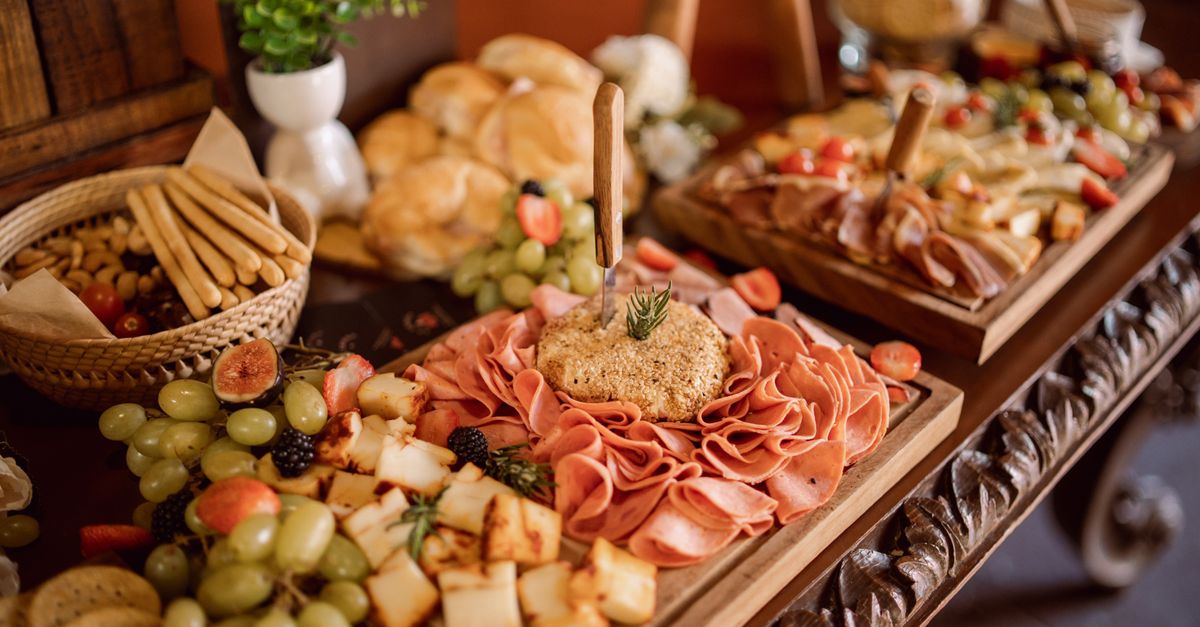
Tailoring Your Catered Menu to Suit Guest Preferences
Table Of Contents
Accommodating Different Meal Types
Understanding the diverse preferences of guests is essential for creating a successful catered menu. Providing a range of meal types ensures that all attendees can find something enjoyable. Breakfast menus can include a mix of healthy options like fruit and yogurt, alongside heartier choices such as eggs and bacon. Lunch offerings might feature salads, wraps, and hot dishes that cater to various dietary needs. In the evening, dinner selections should complement the day's meals while providing a satisfying conclusion to the culinary experience.
Catering to different meal types not only enhances guest satisfaction but also allows event hosts to showcase their ability to adapt. Vegetarian, vegan, gluten-free, and allergy-friendly options should be integrated to accommodate special dietary requirements. Seasonal and local ingredients can further elevate the menu, making it more appealing. The key is maintaining a balance between variety and quality while ensuring that all food options are presented in an appetising manner.
Breakfast, Lunch, and Dinner Options
When planning catered menus, it is essential to consider the variety of meal types that can appeal to a diverse range of guests. Breakfast options might include classic dishes like scrambled eggs and bacon or lighter alternatives such as yogurt parfaits and fresh fruit. Incorporating both traditional and modern items can cater to various dietary needs while ensuring everyone's palates are satisfied.
The lunch and dinner menus can take a more extensive approach. Offering a selection of salads, hearty main courses, and vegetarian or vegan alternatives helps create an inclusive dining experience. Seasonal ingredients can elevate the menu, showcasing local produce and flavours, which often resonates well with attendees. Tailoring these options to match the time of day and event type enhances the overall dining experience and encourages guest satisfaction.
Thematic Menu Planning
Crafting a menu that aligns with the theme of an event enhances the overall experience for guests. Consider the occasion’s nature, whether it’s a corporate gathering, wedding, or birthday celebration. This alignment can be achieved through creative dish choices, presentation styles, and even the use of locally sourced ingredients that reflect the region’s culture and traditions.
Incorporating elements such as colour schemes, seasonal ingredients, and signature dishes related to the theme adds a personalised touch. For example, a rustic wedding might feature a farm-to-table approach with hearty dishes, while a sophisticated corporate event could benefit from a more refined selection of canapés and gourmet options. Attention to these details not only delights the palate but also creates a cohesive atmosphere that resonates with guests.
Aligning with Event Themes
Offering a menu that resonates with the theme of an event can create a more immersive experience for guests. Consider the occasion’s nature when selecting dishes. For instance, a rustic outdoor wedding may benefit from a menu featuring locally sourced produce and traditional fare, while a corporate gala might be better suited to elegant finger foods and sophisticated canapés. Taking the time to understand the event's purpose will help in crafting a cuisine that complements its atmosphere.
Visual presentation plays a crucial role in thematic menu planning. Elements like table settings, plate designs, and serving methods can significantly enhance the overall guest experience. Incorporating colours and textures that align with the theme can transform standard dishes into works of art that delight both the palate and the eye. Whether it’s a bright, vibrant buffet for a summer celebration or a classic, understated setup for a formal dinner, attention to detail ensures that the menu feels cohesive with the overall event design.
Portion Control and Serving Styles
Understanding portion control is crucial for any catering event. It ensures that guests receive satisfying servings without excess waste. Offering a variety of portion sizes can accommodate different appetites and dietary preferences. Small plates or tasting portions allow guests to sample multiple dishes. This approach not only enhances the dining experience but also manages food costs effectively.
The choice between buffet and plated service has significant implications for both portion control and guest interaction. Buffets encourage guests to serve themselves, promoting a casual atmosphere and allowing for personalised meal choices. Plated service, on the other hand, provides a controlled portion size and adds an element of sophistication. Each style has its benefits, and selecting the right one depends on the event's formality and guest preferences.
Buffet vs. Plated Service
Both buffet and plated service options have unique advantages that cater to different guest preferences. A buffet allows guests to select their meals from a variety of dishes, creating a sense of freedom in their dining experience. This service style often encourages social interaction, as guests can move around, engage with each other, and sample multiple flavours. It is particularly suitable for events with a diverse guest list, where dietary restrictions and preferences can vary widely.
On the other hand, plated service offers a more formal dining experience. Guests receive their meals directly at the table, which streamlines service and can enhance the overall aesthetic of the event. This method allows for precise portion control and can be tailored to a specific theme or flavour profile, ensuring that every dish meets the standard expected by attendees. While it may limit choice compared to a buffet, a well-executed plated meal can leave a lasting impression on guests, contributing to the overall atmosphere of the occasion.
FAQS
How can I accommodate dietary restrictions in my catered menu?
It’s important to ask guests about any dietary restrictions or allergies in advance. You can then tailor your menu by including vegetarian, vegan, gluten-free, and other options that suit their needs.
What types of meal options should I consider for a catered event?
Depending on the time of day and the nature of the event, consider offering a variety of breakfast, lunch, and dinner options. This may include hot and cold dishes, finger foods, and canapés to suit all preferences.
How can I align my menu with the theme of the event?
To align your menu with the event theme, choose dishes that reflect the culture, colour scheme, or overall vibe of the theme. For example, a tropical theme might include fresh fruit platters and seafood dishes, while a rustic theme could feature hearty, comforting meals.
What is the best serving style for my catered event: buffet or plated service?
The choice between buffet and plated service often depends on the formality of the event and the number of guests. Buffet service is generally more casual and allows guests to choose their portions, while plated service offers a more formal dining experience with controlled portions.
How can I ensure portion sizes are appropriate for my guests?
Consult with your caterer to determine appropriate portion sizes based on the type of event and the number of guests. It’s also helpful to consider the mix of dishes being served and whether guests will have access to multiple courses.
Related Links
Pairing Drinks with Food for Private FunctionsEssential Catering Checklist for Private Celebrations
Crafting the Perfect Atmosphere with Private Function Catering
Innovative Cocktail Options for Your Private Event
How to Personalise Your Private Function Menu
Engaging Catering Ideas for Intimate Gatherings in Wollongong
Locally Sourced Ingredients for Private Event Catering
What to Expect from a Private Function Caterer