Incorporating Halal Food Options into Your Wedding Catering
Table Of Contents
Halal Beverage Choices
Weddings often involve a variety of beverages to complement the dining experience and keep guests refreshed. When selecting halal beverage options, it is essential to consider drinks that adhere to Islamic dietary guidelines. This includes not just avoiding alcoholic beverages, but also ensuring any mixers or flavourings are free from prohibited ingredients. Soft drinks, fresh juices, and non-alcoholic cocktails can provide delightful options that cater to all guests while maintaining halal standards.
Additionally, incorporating unique beverages from different cultures can elevate the catering experience. Options such as herbal teas, traditional non-alcoholic drinks like mocktails, or even infused waters can add a touch of creativity and sophistication. Enhancing presentation with elegant glassware and garnishes makes these drinks visually appealing. Offering a range of halal beverage choices reflects thoughtful planning and consideration for the diverse tastes of attendees.
Alcohol-Free Alternatives
Offering alcohol-free beverages at weddings can create an inclusive atmosphere for all guests. A well-curated selection of mocktails is a popular choice, blending fresh juices, sparkling water, and herbs to deliver refreshing drinks that mimic traditional cocktails without the alcohol content. Additionally, gourmet non-alcoholic beers and wines are gaining popularity, appealing to those who appreciate sophisticated flavour profiles without the effects of alcohol.
Presentation of these beverages can be equally important. Using elegant glassware and creative garnishing adds a touch of sophistication to the drink offerings. Serving drinks attractively not only enhances the overall aesthetic of the reception but also makes a statement about the care and consideration taken in catering for every guest's preferences. By prioritising alcohol-free options, couples can ensure their wedding reflects their values while also accommodating a diverse array of guests.
Presentation and Serving Styles
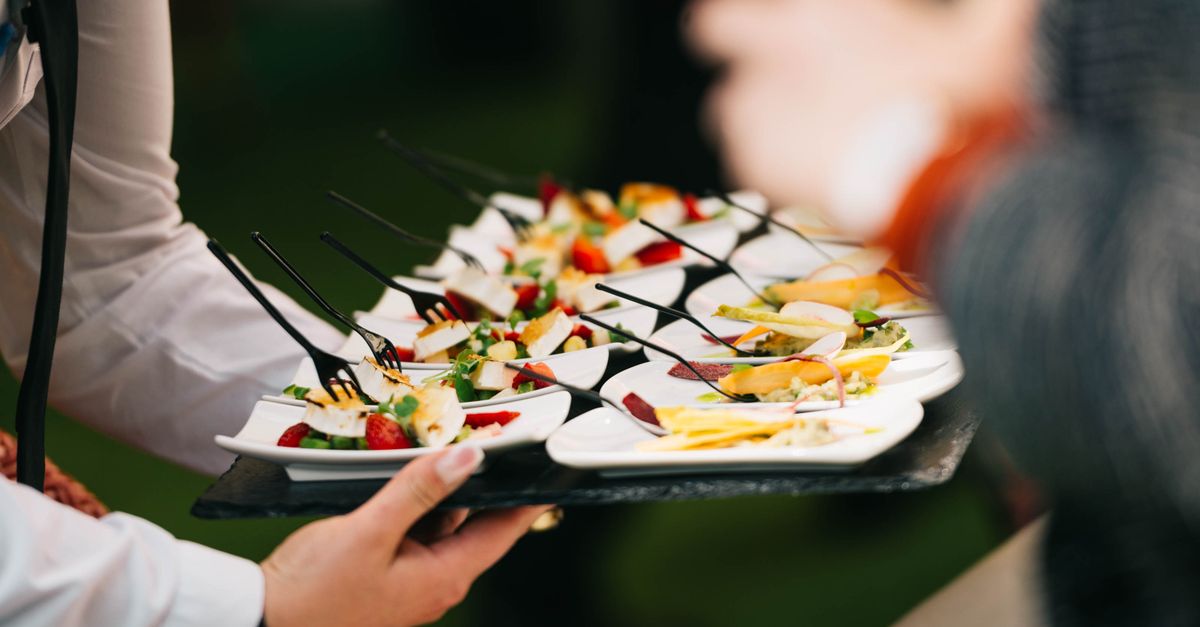
When planning the presentation and serving styles for halal food at a wedding, visual appeal plays a crucial role. Stylish platters and vibrant garnishes can transform a simple dish into a stunning focal point. Consider using tiered serving stands to create an eye-catching buffet display. Another option is to incorporate traditional serving styles, such as family-style meals, which encourage guests to share and connect over the meal. This approach not only adds warmth to the dining experience but also highlights the communal aspect of halal cuisine.
Incorporating cultural elements into the presentation can further enhance the dining experience. Authentic dishes can be served in traditional crockery or alongside culturally significant décor. Hiring skilled chefs who understand the nuances of halal preparation will ensure that the food not only adheres to dietary requirements but also retains its authentic flavours and integrity. Careful attention to the overall atmosphere, from table settings to ambient lighting, will create a memorable setting that respects both the culinary and cultural significance of the meal being served.
Enhancing the Dining Experience
Creating a memorable dining experience at a wedding requires attention to detail, especially when incorporating halal options. Consider using creative plating techniques to make each dish visually appealing. Customised menus can highlight the significance of halal cuisine while showcasing local ingredients. Elements like elegant table settings and thoughtful garnishes can elevate the overall presentation, ensuring guests appreciate the flavours and aesthetics of the meal.
Tasting stations or interactive food stations can also enhance engagement among guests. These setups encourage social interaction and allow for a personalised touch. Guests can have the opportunity to learn more about halal dishes while enjoying the culinary offerings. Incorporating storytelling elements about the food can further enrich the experience, connecting guests to the cultural aspects of halal cuisine and making the wedding feel more intimate and meaningful.
Cultural Significance of Halal Food
Halal food holds deep cultural significance in Muslim communities, symbolising adherence to religious beliefs and fostering a sense of identity. From the type of ingredients used to the methods of preparation, each aspect reflects a commitment to Islamic principles. Weddings, as key social events, incorporate these practices to honour family values and traditions. The inclusion of halal options creates a welcoming environment for all guests, showcasing respect for dietary restrictions while celebrating the union.
Additionally, serving halal food at weddings allows couples to share their heritage with family and friends. The dishes often come with rich stories and historical connections. These culinary choices can reflect the couple's background, ancestry, and the communities they belong to, serving as a bridge between generations. By incorporating halal catering, weddings not only become a venue for celebration but also a platform for cultural expression and unity among diverse guests.
Celebrating Tradition in Modern Weddings
Integrating halal food options into weddings is a meaningful way to honour cultural traditions while embracing contemporary celebrations. Couples often seek to reflect their heritage in every detail of their special day. This not only reinforces their identity but also encourages guests to appreciate the diverse culinary landscape. The inclusion of halal dining options can transform traditional menus into modern experiences that cater to a wide variety of taste preferences.
Adapting traditional dishes to comply with halal standards doesn't require sacrificing flavour or creativity. Many culinary experts are skilled at crafting delightful meals that align with halal guidelines while introducing innovative twists. This approach allows couples to celebrate their backgrounds without alienating guests unfamiliar with halal cuisine. Showcasing a mix of traditional and contemporary dishes creates an inclusive atmosphere that respects the past while looking towards the future.
FAQS
What does halal food mean?
Halal food refers to food that is permissible under Islamic law. It involves specific dietary rules, including the way animals are slaughtered and the types of food that can be consumed.
Can I serve halal food at my wedding if not all guests are Muslim?
Yes, serving halal food can be a considerate choice for all guests, as it ensures that everyone can enjoy the meal without dietary restrictions. Halal options are often suitable for various dietary preferences, including those who do not consume pork or alcohol.
What are some popular halal beverage options for weddings?
Popular halal beverage options include non-alcoholic drinks such as mocktails, fresh juices, sparkling water, and herbal teas. These alternatives can add a festive touch to your wedding without compromising halal principles.
How can I enhance the presentation of halal food at my wedding?
Enhancing the presentation of halal food can be achieved through elegant serving styles, decorative platters, and garnishes. Consider using traditional serving methods that reflect cultural significance, and pay attention to the colour and arrangement of dishes.
Is it necessary to hire a halal-certified catering service for my wedding?
While it’s not mandatory, hiring a halal-certified catering service ensures that all food meets halal standards. This can provide peace of mind for you and your guests, particularly those who observe halal dietary laws.
Related Links
Crafting a Kosher Wedding Menu in WollongongUnderstanding Gluten-Free Options for Wedding Caterers in Wollongong
Creating a Nut-Free Wedding Menu for Safety and Inclusivity
Considerations for Serving Low-Carb Meals at Your Wedding
Balancing Traditional Dishes with Modern Dietary Needs