Best Practices for Buffet Style Catering at Conferences
Table Of Contents
Presentation Matters
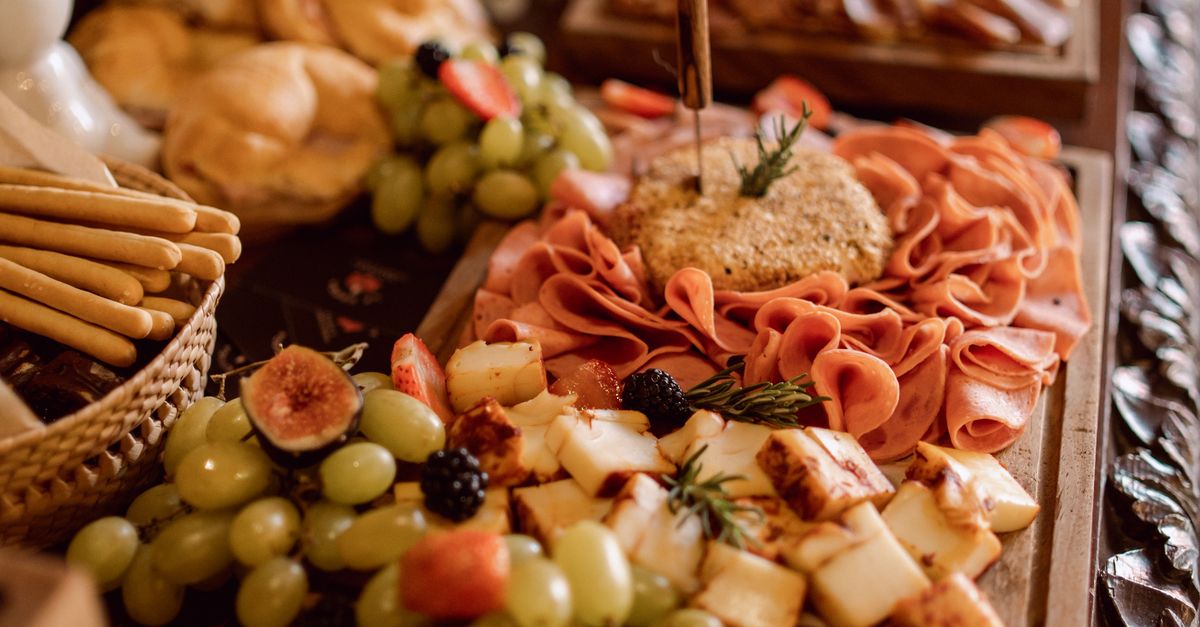
The visual aspect of a buffet can significantly influence guests' dining experience. A well-organised presentation not only draws attention but also encourages attendees to sample a variety of dishes. Utilising attractive platters, vibrant garnishes, and appropriate serving utensils can enhance the overall aesthetic. Settings such as linens and themed décor can set the mood and reflect the event's purpose, ensuring everything is cohesive and engaging.
Another essential factor is the arrangement of food items. Logical placements allow for smooth traffic and promote a natural flow among guests. Grouping similar dishes together can simplify decision-making for attendees. Consider layering different heights and textures to create an inviting visual appeal. Incorporating signage for each dish can also enrich the experience by informing guests about ingredients and flavour profiles.
Tips for an Appealing Buffet Layout
An effective buffet layout draws attention and encourages guests to explore the offerings. Start with a clear and logical flow, placing items in a way that guides attendees naturally from one station to the next. Position appetizers at the beginning, followed by mains and desserts to create a cohesive experience. Use attractive serving dishes and platters that complement the overall theme of the event. A pop of colour, through garnishes or fresh herbs, can elevate presentation, making the food more inviting.
Consider the height and arrangement of food stations to create visual interest. Tall displays, such as tiered trays or stands, can draw the eye while allowing for efficient use of space. Incorporate signage that highlights menu items and dietary options, helping guests to navigate their choices easily. Adequate spacing between stations will facilitate movement and prevent crowding, ensuring a smooth dining experience. Attention to detail in layout not only enhances aesthetics but also influences guest satisfaction at your event.
Time Management
Effective time management during a buffet event can significantly enhance the overall experience for attendees. Planning a detailed schedule is crucial. It is important to allocate sufficient time for food preparation, setup, and serving. Assigning specific times for each stage ensures that everything runs smoothly. Consider peak serving hours and adjust plans accordingly to accommodate high traffic at the buffet.
Ceremonial speeches or presentations can disrupt the flow of dining. Coordinating timing between these activities is essential to prevent long waiting periods. Communicate clearly with staff about when to begin setting up and when to start serving. This collaboration ensures that food is served fresh and at an ideal temperature. Maintaining flexibility in the schedule can also help address any unexpected delays or changes.
Creating a Schedule for Serving
Establishing a clear schedule for serving can significantly enhance the overall experience during a buffet at a conference. It is essential to coordinate timings to minimise long queues and ensure a smooth flow of guests. By arranging specific times for different groups or sessions, organisers can effectively manage the number of people at the buffet line. This approach also provides guests with a sense of structure, allowing them to plan their meals around the conference timetable and engage with networking opportunities effectively.
In addition to timing, consider assigning staff to assist with serving during peak moments. This not only speeds up the process but also allows for more attentive service, ensuring that attendees feel welcomed and cared for. Having a dedicated team to monitor food levels and replenish items will keep the buffet looking fresh and inviting. Regularly scheduled breaks for staff can also prevent fatigue, maintaining a high level of service throughout the event.
Maintaining Food Safety
Ensuring that food remains safe for consumption is a critical aspect of buffet catering at conferences. It begins with proper temperature control. Hot foods should be kept above 60°C, while cold dishes must remain below 5°C. Utilising chafing dishes with lids for hot items and ice trays for salads and desserts can help maintain these temperatures. Regular monitoring throughout the event is essential, allowing adjustments as needed to prevent any foodborne illness.
Practising good hygiene is equally important. Providing hand sanitiser stations near the buffet encourages cleanliness among guests. Staff should wear gloves when handling food, and utensils should be used for serving instead of hands. Regularly changing serving utensils and maintaining clean surfaces will further minimise cross-contamination risks. Adhering to these practices helps ensure a safe and enjoyable dining experience for all attendees.
Best Practices for Keeping Food Safe
Ensuring food safety during buffet-style catering requires careful planning and monitoring. It is crucial to keep hot foods at temperatures above 60 degrees Celsius and cold foods below 5 degrees Celsius. Using chafing dishes, heat lamps, and ice trays can help maintain these safe temperature levels. Regularly checking food with thermometers ensures compliance with safety standards. Personnel should be trained to recognise the importance of these guidelines to keep dishes safe for guests.
Cross-contamination is another major concern in buffet settings. Providing separate utensils for different dishes helps minimise this risk. Serving items such as bread or salad in individual portions can also protect against contamination. Regularly cleaning surfaces and replenishing serving dishes reduces the chance of harmful bacteria spreading. It is important to follow hygiene protocols, ensuring staff practice good handwashing techniques and wear gloves when handling food.
FAQS
What are the key elements of an appealing buffet layout?
An appealing buffet layout should include a clear flow for guests, attractive food displays, adequate spacing between dishes, and decorative elements that complement the theme of the event. Using different heights for food displays can also enhance visual interest.
How can I effectively manage time during a buffet-style catering service?
Effective time management can be achieved by creating a detailed schedule that outlines when food will be served, setting up the buffet, and allowing time for guests to enjoy their meal. It’s also important to have staff ready to replenish food items as needed to prevent delays.
What are the best practices for ensuring food safety at a buffet?
To ensure food safety at a buffet, maintain proper temperature control by keeping hot foods hot (above 60°C) and cold foods cold (below 5°C). Regularly check food temperatures, ensure proper hand hygiene among staff, and use clean serving utensils for each dish.
How can I accommodate dietary restrictions in a buffet setting?
To accommodate dietary restrictions, clearly label all food items with ingredient information and potential allergens. It's also helpful to include a variety of vegetarian, vegan, gluten-free, and other options to cater to different dietary needs.
What should be done if food runs out during the buffet service?
If food runs out during the buffet service, it's important to have a plan in place for replenishment. Designate staff to monitor food levels and restock items promptly. If possible, consider preparing extra portions in advance to minimise wait times for guests.
Related Links
Enhancing Your Conference Experience with Tailored Catering SolutionsEffective Logistics for Catering at Large Scale Conferences
Catering Options for Diverse Conference Attendees
Choosing the Right Menu for Your Conference Event
How to Manage Dietary Requirements for Conference Catering
Evaluating Local Catering Services for Conference Needs
Creating Engaging Networking Opportunities Through Food at Conferences
Top Catering Trends for Successful Conferences in Wollongong
The Importance of Professional Catering in Corporate Conferences